
Post image for Laser Hair Removal – How Long Do Results Last?

Considering the time and money spent to get laser hair removal treatments it makes sense to wonder how long the promised reduction will last. And while laser hair removal treatments can offer a strong reduction in hair growth, hairs can be expected to grow back at some point. With conflicting reports on how long laser hair removal results last, what most experts can agree on is that laser hair removal is not permanent, but only offers a reduction in hair.

Though the process is called laser hair removal, it cannot remove hair for good, and some suggests it should be called laser hair reduction instead. How long laser hair removal results will last depends on many different factors, including skin and hair type, what type of laser is used and the expertise of the practitioner. As of today there are no laser manufacturers that are allowed to claim permanent hair removal, but only permanent reduction, which is often defined as long-term, stable reduction of hair.

While it is hard to say exactly how long the results will last, they will last longer than other hair removal methods. But no matter how long the results last, a percentage of the hair can be expected to grow back. After the initial treatments, there will still be hair, and most clients will not see a strong reduction until after the 3rd treatment, and several more treatments will be needed to achieve the best outcome possible. After each session there will be less hair overall. In addition, treated hairs can be expected to grow back finer and thinner.

Though laser hair removal can certainly result in long term hair reduction and relief from unwanted hair, there are no guarantees that the hair will never grow back. Results will vary and repeated treatments can enhance results, allowing clients to enjoy the benefits of laser hair removal for a longer period of time.

While laser hair removal results can last for a long period of time, it is possible that hair will increase at some point, often due to hormonal changes. An older woman, someone who is pregnant or has a hormonal imbalance can experience hair growth where there had previously not been any. Laser hair removal cannot control future hair growth, only hair that is currently present.

While laser hair removal cannot offer permanent removal, it can certainly result in a strong reduction of hair, and results are likely to last several months, sometimes up to 2 years, or even longer. While hairs that have been removed by laser may not re-appear for a long period of time, occasional maintenance sessions are often recommended to extend the results.

Photo via ExpertVillage.com
Post image for Laser Hair Removal: Why More Than One Treatment Is Needed

While laser hair removal is an effective treatment that can result in hair free skin, one treatment is not enough to accomplish this goal. The average number of treatments recommended is 3-6, with occasional maintenance treatments needed as well. The exact number of treatments needed is unique to each individual, and will depend on the area being treated, the hair density and hair thickness. Regardless of these factors, one laser hair removal session to remove or reduce the hair will not be enough. To understand why one treatment is not enough it is essential to understand how hair grows.

Understanding how hair grows in different stages will help you understand laser hair removal, and why more than one treatment is needed. There are three different stages of the hair growth cycle: anagen, catagen and telogen. Anagen is the growing phase, catagen is the intermediate phase and telogen is the shedding phase.

If the hair is clearly visible, it is in the anagen phase and can most likely be treated by laser hair removal, which will attempt to destroy the hair follicle. During the anagen phase the hair will have the most amount of melanin and this is also the phase where laser hair removal will be the most efficient. The catagen phase can be described as a transition phase that occurs at the end of the anagen phase. The catagen phase means that the active growth of the hair has come to an end and the hair will shrink. After the catagen phase comes the telogen phase which means the hair is simply “resting” and not growing at all. The hairs in the telogen phase will start to shed and prepare for the next cycle of growth to begin.

When the hair is in the catagen or telogen phase it is not visible or capable of absorbing the laser light. Not absorbing the laser light means that the laser hair removal will not be efficient. At this point, no destruction of the follicle will occur. Only hairs in the anagen phase can be treated by the laser. So, it makes sense that multiple laser hair removal treatments are needed in order to target all hairs.

The percentage of follicles in any of the phases will constantly vary, and since a portion of hairs will always be in the catagen or telogen phase, laser hair removal cannot target all hairs at the same time. This explains why more than one laser hair removal treatment is needed. Using an experienced laser hair removal that employs the latest laser device can potentially reduce the amount of sessions needed. But overall, one treatment is not enough to achieve the goal of laser hair removal, which is to permanently remove or reduce hair.

Photo via SensitiveTouchMedicalSpa

Post image for Laser Hair Removal: What to Do In Between Sessions

The final goal in laser hair removal is to permanently reduce hair, but in order to achieve that goal several laser hair removal sessions are needed. Between treatments, there can still be plenty of visible hair, and this in between period can be quite uncomfortable. Between laser hair removal sessions, which are usually spaced 6-8 weeks apart, clients might look for ways to remove the hair that is still there, but there is only one way in which this hair can be removed, and there is an explanation why.

After a laser hair removal session, hairs will typically shed and the treated area will be hair free for a couple of weeks, until it is time for the untreated hairs to grow. During this period it might be tempting to wax or pluck these hairs, but there is strong reason not to. Once the laser hair removal sessions has started, most clinics will advise their clients to only shave between sessions. During shaving, only the hair on the surface is removed and the hair root remains intact. The light from the laser hair removal device is attracted to melanin, and the hair has melanin in it. The heat energy from the laser will target the melanin and thereby destroy the hair follicle. This is why in order for laser hair removal to be effective, at least the hair root needs to be there.

Removing the entire hair follicle, which will occur with waxing or plucking, means that the target for the laser, which is color, also called melanin, is no longer present in the skin. This is why waxing or plucking during laser hair removal treatments will lead to poor results. While clients certainly can shave in between sessions, they are not obligated to do so. However, some practitioners will ask that the client shaves the area to be treated right before a session, while other practitioners want to see exactly where the hair is growing before they shave it off themselves.

In other words, when you begin your laser hair removal treatments it is important that you only shave. You only want to shave because it will not affect the hair follicle and allow the laser treatment to be efficient. Using other hair removal methods such as plucking or waxing, will pull the hair from the root and not allow the laser to target the hair properly. It is important to remember not to pluck, wax or remove the hair in any other way than shaving.

Patience is needed between laser hair removal sessions, but will most likely pay off in form of smooth, hair free skin. While shaving between treatments might be an inconvenience to some, good thing about the first laser sessions is that the hair will take longer to grow back, be less and often thinner as well. Overtime, you probably won’t need to shave at all, let alone use any other form of hair removal.

Post image for Laser Hair Removal to Treat Folliculitis?

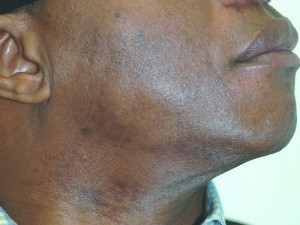
In addition to achieving smooth, hair free skin, laser hair removal can possibly treat a skin condition called folliculitis. This inflammatory condition is quite common and means that there is an infection in the hair follicle. The infection is caused by bacteria, viruses or fungi and usually looks like small, white pimples.

Folliculitis can appear anywhere on the face or body, and these infected hair follicles can itch or be painful. Folliculitis often clears by itself, but can also require medical treatment. There are many different types of folliculitis, and they occur for a number of various reasons, including tight clothing, excessive perspiration and different skin conditions. But perhaps one of the biggest causes of folliculitis is frequent shaving, which can irritate the skin and cause infection to it.

Though some people are more prone to have folliculitis than others, there are several things one can do in order to avoid this frustrating condition. Those who frequently experience folliculitis should avoid tight clothing that rubs against the skin, hot tubs, and make up, oil and cocoa butter that can block the hair follicles. Additional preventative steps include using antibacterial soap and avoid sharing towels. Once the folliculitis has occurred compresses with white vinegar can ease itching and help healing. Pore clarifying pads with salicylic or glycolic acid can also be helpful during this time. More severe cases of folliculitis may need antibiotic or antifungal creams or pills, and medicated shampoo can also be used. When nothing else works, starting laser hair removal sessions to end the folliculitis can be the only solution left.

Mild cases of folliculitis should heal on its own, but for those who suffer from reoccurring folliculitis, laser hair removal could be an excellent treatment option. Laser hair removal can completely treat or noticeably improve the folliculitis. During a laser hair removal session, the heat from the laser device will target the hair follicle and kill it. When the laser destroys the hair follicle it can no longer get infected.

Laser hair removal can definitely reduce or end the unpleasant condition of folliculitis. And in addition to clearing the folliculitis, laser hair removal can result in smoother, more velvety skin, with little to no hair left. It is important however to consult a high quality laser hair removal clinic with practitioners that has experience in treating folliculitis by laser hair removal. Overall, laser hair removal can be very effective for treating folliculitis and is recommended by many physicians, but more than one treatment might be needed to clear all of it.

Photo via amdalton
Post image for Tanning and Laser Hair Removal

When it comes to laser hair removal common advice is that all kind of tanning before and after a laser hair removal session should be avoided. Many laser hair removal clinics will follow this rule and there is good reason why, however, with the introduction of newer, more advanced laser hair removal machines, even tanned clients can be successfully treated with laser hair removal today.

The reason why tanning is usually not recommended before and after a laser hair removal is because tanning makes the skin color darker, which will absorb more of the laser and prevent it from getting to the hair follicle. The skin can also burn as a result of the extra heat energy being absorbed by the skin. Some practitioners believe that the client will see better results if the skin is kept in its natural color, and that when the skin is lighter, the hair follicles can be targeted better. And other practitioners believe that laser hair removal on tanned skin might increase possible side effects, including pigmentation.

Clients with tanned skin are often advised to let the tan fade before they start a laser hair removal session. However, clients who prefer to be tan no longer have to wait.

While laser hair removal is fully possible on tanned skin, it is important not to assume that any laser can do the job. In fact, there are only a few laser types that can safely treat tanned skin. The GentleYAG laser, which is an Nd:YAG type of laser, claims to be able to treat all types of skin including tanned skin. The LightSheer Diode Laser is another laser that can safely and effectively treat tanned skin. For people with tanned skin the laser settings will need to be different, for example, pulse widths are generally longer to prevent damage to the skin. Using the appropriate treatment parameters tanned people can definitely benefit from laser hair removal as well.

If you are considering laser hair removal, but have tanned skin, you probably don’t have to stop tanning or wait until the tan has faded. But you do have to find a laser hair removal clinic that has a laser that can treat tanned skin. Go for a complimentary consultation to find out if your tanned skin can be treated and do a test patch if you wish to see how your skin will react to the laser. Preferably, the laser hair removal clinic in question should also have extensive knowledge and experience in treating clients with tanned skin.

Photo via cdedbdme

Post image for Laser Hair Removal on Sensitive Skin

Those with sensitive skin might wonder if laser hair removal could be right for them as a method of reducing unwanted hair, and whether their sensitive skin will be able to tolerate the laser. Considering how frequent shaving and waxing is done, and how much it can irritate the skin, laser hair removal might actually be a far better approach to hair removal. With the advancement of technology, laser hair removal is becoming a more gentle procedure, with minimal side effects.

If you have sensitive skin, perhaps the most important step is to find out what kind of laser the hair removal clinic uses, and if it is suitable for your skin. Ask whether this particular laser is appropriate for sensitive skin and how your skin is expected to react to it. Also find out whether the laser machine in question has a cooling tip. A cooling tip will cool and soothe your skin during the hair removal session so that the skin gets relief from the heat that the laser produces. The practitioner can choose a different laser or adjust the settings depending on your skin type.

The majority of upscale laser hair removal clinics will offer what they call a test patch or test area. This means a small area of your skin can be tested to see how it will react to the laser. This is usually done at no charge and is a good way of seeing how the skin will respond and how well you can tolerate the laser before spending any money. If concerned about any reactions due to sensitive skin, getting a test area done is an excellent opportunity to see how the skin will react. By testing a small area the practitioner will also be able to determine the ideal laser energy level to be used.

Though newer laser hair removal machines are gentler and cause minimal discomfort, those with sensitive skin can take preventative steps to make sure that there will be practically no discomfort at all. A pain killer can be taken 30 minutes before treatment to ease any discomfort and the practitioner can also apply a numbing cream.

Most skin types will be able to undergo a laser hair removal session regardless of sensitivity. The skin type that is most sensitive to laser is dark skin, but even dark skin can be successfully treated today as there are certain laser types that can handle dark skin better than other lasers. The type of laser used is usually chosen based on the color of the skin and not the sensitivity of the skin.

Even if you have sensitive skin, laser hair removal is most definitely an excellent hair removal option. Just make sure to inform the practitioner of your sensitive skin, and he or she will keep this mind and take steps to ensure that the laser hair removal session will be a safe and tolerable treatment.

Photo via sean dreilinger

Post image for Is Laser Hair Removal Safe During Pregnancy?

With the influx of new hair and the difficulty of removing it, it is no wonder that pregnant women are among those who consider laser hair removal. Pregnancy hormones can cause more hair growth, and with a big belly it can be hard to reach certain areas of the body, such as the legs, and a decrease in balance can make it even harder to shave or wax as usual.

While laser hair removal is a safe procedure for healthy people, and can achieve excellent results in permanent hair reduction, pregnant women are among those who preferably should not undergo laser hair removal. Though there are no laws that prevent a pregnant woman from getting laser hair removal, the vast majority of practitioners will not agree to treat one, because there are no studies that evaluate the safety of laser hair removal during pregnancy. Even though experts are unsure if and how the laser would affect the fetus, they still recommend avoiding laser hair removal during pregnancy because of the lack of information. And this lack of information is the main reason practitioners are not willing to take any risks.

A laser is not likely to reach the fetus, as it does not work as an x-ray. A laser is believed to mainly target the hair, and any damage is done to the skin, as the laser does not penetrate deeper than a few millimeters. Still, most practitioners will not treat pregnant women. There is no evidence that laser hair removal is harmful to an unborn child but there also is no proof that it isn’t. There are no studies about how laser hair removal during pregnancy might affect the fetus, and this leaves many obstetricians with no option but to not recommend laser hair removal for their patients.

Many laser hair removal clinics also would not use numbing cream on a pregnant woman, because of the absorption factor, and this could make laser hair removal a less tolerable treatment. A pregnant woman is also likely to have more sensitive skin, which is just another reason laser hair removal may not be a comfortable treatment.

In rare cases, a laser hair removal practitioner might agree to treat a pregnant client if there is a written authorization from the clients OBGYN or other health care professional; however, since the affect of the laser on the fetus is unknown, it is simply best to wait. Those few who agree to treat a pregnant woman should stay clear of the stomach and breast area, just to be safe.

Overall, most practitioners will not treat a pregnant woman and will simply suggest that she comes back for laser hair removal after she has delivered. Good thing is that the extra hair is likely to decrease once the baby is born. And as always, a pregnant woman should discuss any treatments she considers with her OBGYN in order to ensure the complete safety of her unborn child.

Photo via Doede Boomsma

Post image for Laser Hair Removal: What if I Have a Tattoo?

Though laser hair removal in general has advanced greatly, it is still not advisable to get laser hair removal over an area where there is a tattoo. Though all other parts of the body can be treated, a laser must not go near the tattoo itself. To understand how laser hair removal can negatively affect an area where there is a tattoo, one must understand how the laser operates.

Laser is attracted to pigmentation, and no matter what the tattoo looks like, the laser is likely to be more attracted to it than the rest of the skin, and release an extra amount of heat over it. When the laser goes over the tattoo, and the additional heat is released, it can be extremely painful. This extra heat can make the skin burn and blister, or get infected, and also cause damage to the tattoo.

Lasers aimed for laser hair removal and lasers that are used to remove tattoos are different types of lasers, with varying degrees of power. This means that a hair removal laser might have a very different affect on a tattoo then what a tattoo removal laser would have.

In addition to extreme pain, laser hair removal over a tattoo can also discolor, fade or erase the tattoo in question. This means that the tattoo can get permanently damaged and the money you spent on it is gone. This side effect cannot be reversed, though it is sometimes possible to get the tattoo re-inked. However, it is also likely for the skin to be damaged to the point where re-inking the tattoo is not an option.

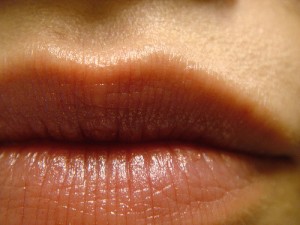
Caution is also needed when it comes to permanent make up, as the laser will have the same affect on this type of tattoo. For example, a woman who has tattooed a lip liner around her lips may not want to get laser hair removal in the same area, since the laser can damage the skin on or around the lip.

If you are determined to get laser hair removal despite any tattoos, the laser hair removal practitioner should not treat within 1 inch of the tattoo border. If you have a tattoo on any given area, this area cannot be treated in its entirety. As an extra step of caution, the practitioner can put tape over the tattoo or mark it with an x.

While it is hard to say exactly how the tattoo will react to the laser, it is best to be safe and avoid laser hair removal over an area that has a tattoo. To avoid burning your skin, getting blisters, or causing permanent scarring, be sure to clearly inform the laser hair removal practitioner of any tattoos that you might have, and make sure he or she doesn’t go near that area. This will prevent any unfortunate events during your laser hair removal treatment.

Photo via bubblessoc
Post image for Laser Hair Removal: How Long Does Each Session Take?

Traditionally, a laser hair removal session could take anywhere from 20 minutes up to a few hours depending on the area treated. Nowadays, a laser hair removal session rarely takes as long as one hour, and this is because more efficient laser machines are available. Laser hair removal is increasingly becoming a smoother and more time efficient procedure, which makes it an even more attractive and popular procedure.

The exact length of a laser hair removal session is highly individual, and depends on a few different factors, such as the size of the area being treated, how many areas are being treated during the same session, the density of the hair, the thickness or coarseness of the hair as well as the height and weight of the patient. To give an estimate, larger areas of the body, such as the back, chest, shoulders or legs can take half hour or longer. Smaller areas, such as the bikini line, upper lip, chin or the under arms, can take as little as five to ten minutes.

In addition to the aforementioned factors, the speed and efficacy of a laser hair removal session will greatly depend on how new the laser machine is. Older laser machines usually have smaller treatment heads and can take longer, while newer devices have larger treatment heads that can reduce the length of each session. Newer laser hair removal machines are designed to be more efficient and have larger treatment heads, which can target more hairs at the same time A laser hair removal session is often described as a lunch time procedure, meaning the treatment is so fast and efficient that it can be done during ones lunch hour.

To give a specific example, the Lumenis LightSheer Diode laser, which is a very popular laser, has a spot size of 9 by 9 mm (millimeters) while the new and improved version of it, the LightSheer Duet, has a much larger spot size of 22 by 35 mm. The new LightSheer laser machine claims to treat backs and legs in as little as 15 minutes. This is quite impressive, as these larger areas have traditionally required at least twice as much time.

Though laser hair removal can take anywhere from a few minutes up to one hour, today’s laser hair removal sessions are faster and more efficient than ever, and you might even be surprised at how fast they are. In other words, don’t expect to spend hours at the laser hair removal clinic, your session will be over and you will be able to move on with your daily activities before you know it.

Photo via Catherine

Post image for Laser Hair Removal: Can “Peach Fuzz” Be Treated?

Peach fuzz hair, which in clinical terms is called vellus hair, is very fine, thin, light colored hair that covers parts of the body and face. Peach fuzz hair can be quite common on a woman’s face, and although sometimes only visible in direct sunlight or under close examination, it can still be a bothersome condition to many. Those with peach fuzz hair on their face, sometimes end up considering laser hair removal as a method of removing it.

Though laser hair removal is an excellent way of reducing “normal” hair, also called terminal hair, which is thick, long and dark, it may not achieve the same results on peach fuzz hair. In fact, there have been many cases where clients have reported that the peach fuzz hair that was treated by laser hair removal has grown back longer and thicker and there is an explanation why.

In laser hair removal the goal is to damage the hair follicle to the point where it cannot grow back. But the laser is mainly attracted to dark hair, and peach fuzz hair is not dark enough, so the laser cannot properly treat it. Though there is no scientific proof, there is speculation as to why the peach fuzz hair can grow back stronger. During laser hair removal a peach fuzz hair follicle might only get minimally damaged and not destroyed, this might make the hair follicle more likely to regenerate itself and become thicker and longer than before. If the hair follicle is only partially damaged, the body might try to “repair” it by supplying more blood to it.

While some laser hair removal clinics might agree to treat the peach fuzz, it might be a better idea not to, as you do not want a possible increase in hair growth. And it would be even more challenging to get rid of the peach fuzz hair that has been invigorated by the laser. If you have long, thick and dark hair, laser hair removal is perhaps the best technology for eliminating or reducing it. However, if you have peach fuzz hair you might want to consider an alternative hair removal solution. But keep in mind that peach fuzz hair is sensitive to all hair removal methods, including laser treatments, and instead of being eliminated, these hairs can be revitalized. Electrolysis could be the only permanent solution in reducing peach fuzz.

If you have what looks like peach fuzz, and you are not sure if it can be treated or not, go for a complimentary evaluation at a highly rated laser hair removal clinic. They should be able to give you their honest opinion. Many laser hair removal practitioners firmly agree that laser hair removal is not effective on peach fuzz hair and that it is best not to treat those hairs with laser.

Photo via tangerinee

 
Copyright © 2012. All Rights Reserved. HairRemoval.org


Terms and Conditions | Privacy Policy